Category: Product

  • Practical Food Warmer Display Solutions for Commercial Use

    Practical Food Warmer Display Solutions for Commercial Use

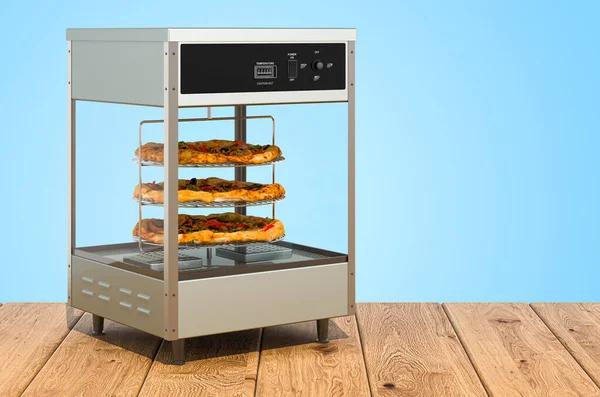
    In commercial kitchens and food service establishments, maintaining food temperature is essential to ensure both quality and safety. Practical food warmer display solutions play a crucial role in achieving this goal by keeping prepared dishes at optimal serving temperatures while allowing customers to view the offerings clearly. These systems are designed to balance heat retention with visual appeal, making them indispensable for buffet lines, cafeterias, convenience stores, and catering businesses.

    One common approach involves using heated display cabinets equipped with adjustable temperature controls. These units typically feature glass panels that provide full visibility of the food items inside while preventing contamination. The heating elements can be either electric or infrared lamps positioned above or below the trays containing food. This setup ensures even heat distribution without drying out the products. Operators appreciate models with thermostatic control because they allow precise temperature settings tailored to different types of cuisine.

    Another effective solution is steam table warmers, which utilize water baths beneath stainless steel pans to maintain consistent warmth through moist heat. This method prevents foods from becoming overly dry or tough-a frequent issue when using dry heat alone-and extends holding times without sacrificing texture or flavor. Steam tables often come with removable lids and sneeze guards for hygiene purposes, enhancing their suitability for self-service environments where customers select their own meals.

    For more flexible arrangements, portable countertop warmers offer an excellent choice by combining compact size with efficient heating capabilities. These devices are ideal for temporary setups such as catering events or pop-up restaurants where mobility and ease of use are priorities. Many models incorporate multiple compartments so operators can keep various dishes warm simultaneously while presenting them attractively.

    Energy efficiency has become an important consideration in selecting commercial warming equipment due to rising operational costs and environmental concerns. Modern designs frequently include insulated construction materials that minimize heat loss and reduce power consumption during continuous use periods. Some units also integrate LED lighting systems instead of traditional incandescent bulbs; these provide bright illumination without generating excess heat that could affect product quality.

    Cleaning convenience is another factor influencing practical warmer choices since hygiene standards must be strictly observed in commercial settings. Removable trays, drip pans, and accessible interior surfaces simplify routine maintenance tasks and help prevent bacterial buildup over time.

    Ultimately, choosing the right Food Warmer Display solution depends on specific business needs such as volume requirements, menu variety, space constraints, and budget considerations. By investing in reliable equipment that combines functionality with user-friendly features like clear visibility options and precise temperature management tools, establishments can enhance customer satisfaction while ensuring compliance with health regulations consistently throughout daily operations.

  • Simple Ways to Get the Most Out of Your Window Air Conditioner

    Simple Ways to Get the Most Out of Your Window Air Conditioner

    Window air conditioners are a popular and cost-effective solution for cooling individual rooms during warm months. To maximize their efficiency and extend their lifespan, there are several practical steps homeowners can take. First, proper installation is crucial. Ensuring the unit fits snugly in the window frame prevents cool air from escaping and hot air from entering. Using weatherstripping or foam insulation around the edges helps seal gaps that could undermine performance.

    Regular maintenance plays a significant role in keeping an air conditioner running smoothly. Cleaning or replacing the filter every month during heavy use reduces strain on the system and improves airflow. Dirty filters not only decrease cooling efficiency but also contribute to higher energy consumption and potential breakdowns over time. Additionally, cleaning the coils at least once a year removes dust and debris buildup that can hinder heat exchange.

    Positioning your window unit strategically can also enhance its effectiveness. Placing it in a shaded window will prevent direct sunlight from heating up the device itself, allowing it to work less hard to cool indoor spaces. Avoid installing units near heat sources such as lamps or electronics because these increase room temperature unnecessarily.

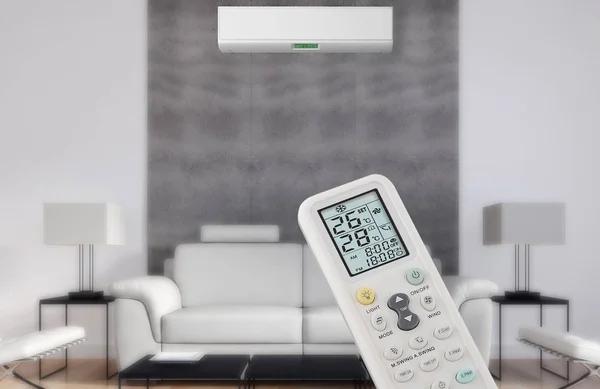
    Operating your Window Air Conditioner wisely contributes significantly to comfort while conserving energy. Setting the thermostat at an optimal temperature-typically around 78 degrees Fahrenheit when you’re home-balances comfort with efficiency by avoiding excessive cooling demands. When rooms are unoccupied, raising the temperature setting by a few degrees saves electricity without sacrificing much comfort upon return.

    Using fans alongside your window AC helps circulate cooled air more evenly throughout the room, reducing hotspots and enabling you to rely less on lower thermostat settings. Ceiling fans or portable fans create airflow that complements conditioned air distribution effectively.

    It’s important to turn off or unplug your unit when it’s not needed for extended periods, especially during cooler nights or seasons outside of summer peak usage times. This simple action prevents unnecessary power consumption and wear on components.

    Finally, consider upgrading older models if they no longer meet your needs efficiently; newer units typically offer improved energy ratings thanks to advances in technology and stricter regulations aimed at reducing environmental impact.

    By following these straightforward tips-from installation through daily operation-you can enjoy better performance from your window air conditioner while minimizing costs associated with energy use and repairs over time.

  • Quiet Mini Split Systems Ideal for Home Offices

    Quiet Mini Split Systems Ideal for Home Offices

    Quiet mini split systems have become an increasingly popular choice for home offices, offering efficient climate control without the noise disruptions common in traditional air conditioning units. These systems provide a perfect balance of comfort and tranquility, which is essential for maintaining focus and productivity during work hours. Unlike window units or central HVAC systems that can be noisy or inefficient in smaller spaces, mini splits operate with minimal sound levels while delivering precise temperature regulation.

    A key advantage of quiet mini split systems is their design, which separates the compressor from the indoor air handler. The compressor unit is installed outside, significantly reducing interior noise compared to all-in-one units. Inside, the air handler uses advanced technology to circulate air gently and quietly. Many models produce sound levels as low as 19 decibels on their lowest settings-comparable to a whisper or rustling leaves-making them virtually unnoticeable in a home office environment.

    In addition to being quiet, these systems are energy-efficient and customizable. They allow users to set specific temperatures for different rooms or zones within a house, ensuring that only the workspace receives cooling or heating when needed. This zoning capability not only enhances comfort but also reduces energy consumption by avoiding unnecessary climate control in unused areas.

    Installation flexibility further contributes to their suitability for home offices. Mini splits require no ductwork, making them ideal for rooms where adding ducts would be impractical or costly. The compact indoor units can be mounted high on walls or recessed into ceilings to save space and maintain aesthetics without compromising performance.

    Beyond noise reduction and efficiency, many modern Mini Split models include features such as variable-speed compressors and smart controls that adjust output based on room conditions automatically. This adaptability ensures consistent comfort throughout long working sessions while minimizing operational noise spikes often associated with older HVAC technologies.

    Choosing a quiet mini split system also supports healthier indoor air quality since most units incorporate filters that remove dust particles and allergens from circulating air-a benefit especially valuable in confined office spaces where ventilation may be limited.

    Overall, investing in a quiet mini split system transforms any home office into a more pleasant workspace by combining silent operation with effective temperature management and improved air quality. As remote work continues to grow globally, these systems offer an elegant solution tailored specifically for those who need both comfort and concentration at home without distractions caused by noisy cooling equipment.

  • Tips to select a good beginner flute for easy learning

    Tips to select a good beginner flute for easy learning

    Choosing the right flute as a beginner is crucial for developing proper technique and enjoying the learning process. Selecting an instrument that suits your needs can make practice more comfortable and encourage consistent progress. When searching for a good beginner flute, several factors should be considered to ensure ease of use and quality sound production.

    First, focus on the material of the flute. Most beginner flutes are made from nickel silver with a silver plating or sometimes solid silver in higher-end models. Nickel silver flutes tend to be more affordable and durable, making them ideal for new players who might handle their instrument less delicately. Silver-plated flutes generally produce a warmer tone compared to those with just nickel plating, which can enhance the playing experience without adding significant cost.

    The key mechanism is another important aspect to examine. Beginner flutes often come with closed-hole keys (plateau keys), which cover all holes completely and provide easier finger placement. This design helps beginners avoid accidental air leaks due to improper finger positioning. Open-hole keys require more precise finger control, making them better suited for advanced players rather than novices.

    Weight and size also play roles in comfort during practice sessions. A lighter flute reduces fatigue when holding it for extended periods, especially important for younger students or those new to wind instruments. It’s advisable to try different models if possible or consult with a music teacher about what feels manageable given your hand size and physical strength.

    Intonation consistency is essential as well since beginners need an instrument that stays in tune easily without frequent adjustments. Flutes manufactured by reputable brands usually offer reliable tuning mechanisms such as adjustable headjoints or high-quality springs on the keys that maintain smooth action over time.

    Consider purchasing from well-known manufacturers specializing in student-level instruments because they balance affordability with durability and sound quality effectively. Avoid very cheap flutes sold by unknown brands since these may have manufacturing defects leading to poor sound production or mechanical issues that hinder learning progress.

    Lastly, having access to professional advice before buying can save money and frustration down the line. Visiting music stores where you can test various beginner models under expert guidance ensures you select an instrument tailored specifically for your skill level while meeting ergonomic requirements.

    Investing time into choosing a suitable good beginner flute will result in smoother skill development, greater motivation during practice sessions, and overall enjoyment of playing this beautiful woodwind instrument throughout your musical journey.