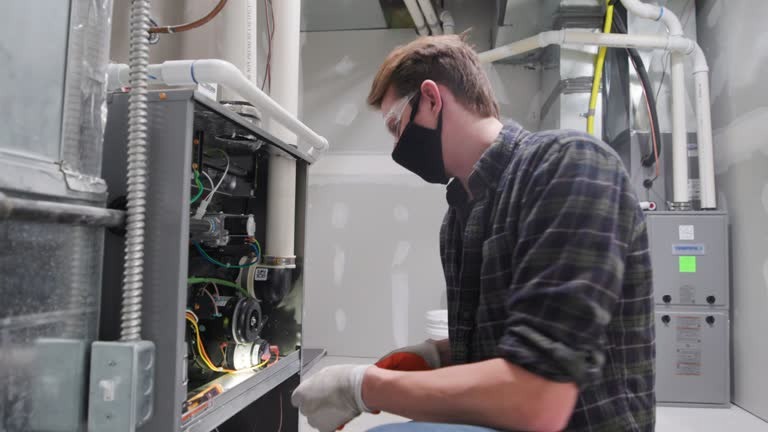
Upgrading your furnace is a significant decision that can impact not only your home’s comfort but also its energy efficiency and utility costs. Choosing the right furnace for your home’s size and space is crucial to ensure optimal performance and longevity. Here are some key considerations to help guide you through the process of upgrading your furnace effectively.
Firstly, it’s essential to understand the importance of sizing when selecting a new furnace. A unit that is too small will struggle to heat your home adequately, leading to increased wear and tear as it works overtime to meet demand. Conversely, an oversized furnace will cycle on and off frequently, causing unnecessary stress on components and resulting in inefficient operation. Both scenarios can lead to higher energy bills and potential premature system failure.
To determine the appropriate size for your new furnace, consider conducting a Manual J load calculation. This assessment takes into account various factors such as square footage, insulation levels, window types, ceiling height, climate zone, and even the number of occupants in your home. By evaluating these elements comprehensively, you can ensure that you select a unit with the correct heating capacity measured in BTUs (British Thermal Units).
Beyond size considerations, pay attention visit our site to fuel type options available for furnaces: natural gas, oil, electricity or propane are common choices depending on availability in your area or existing infrastructure within your residence. Each has distinct advantages; however natural gas remains popular due its cost-effectiveness combined with high-efficiency models now available which boast Annual Fuel Utilization Efficiency (AFUE) ratings upwards 95% meaning less wasted energy during operation compared traditional older systems.
Efficiency should be another focal point during this upgrade process—look specifically at AFUE rating mentioned earlier since higher percentages equate better utilization resources thus lowering monthly expenses over time while reducing carbon footprint simultaneously! Energy Star certified units often represent best-in-class products designed maximize savings without sacrificing performance so prioritize them whenever possible within budget constraints set forth initially by homeowner themselves alongside professional guidance received from trusted HVAC contractor involved throughout entire project timeline beginning end stages alike ensuring seamless transition old new equipment installed properly functionally tested before use begins earnest manner expected deliver intended results long-term satisfaction guaranteed!